When a renovation becomes a building dispute
Litigation & Disputes24 February 20266 min read
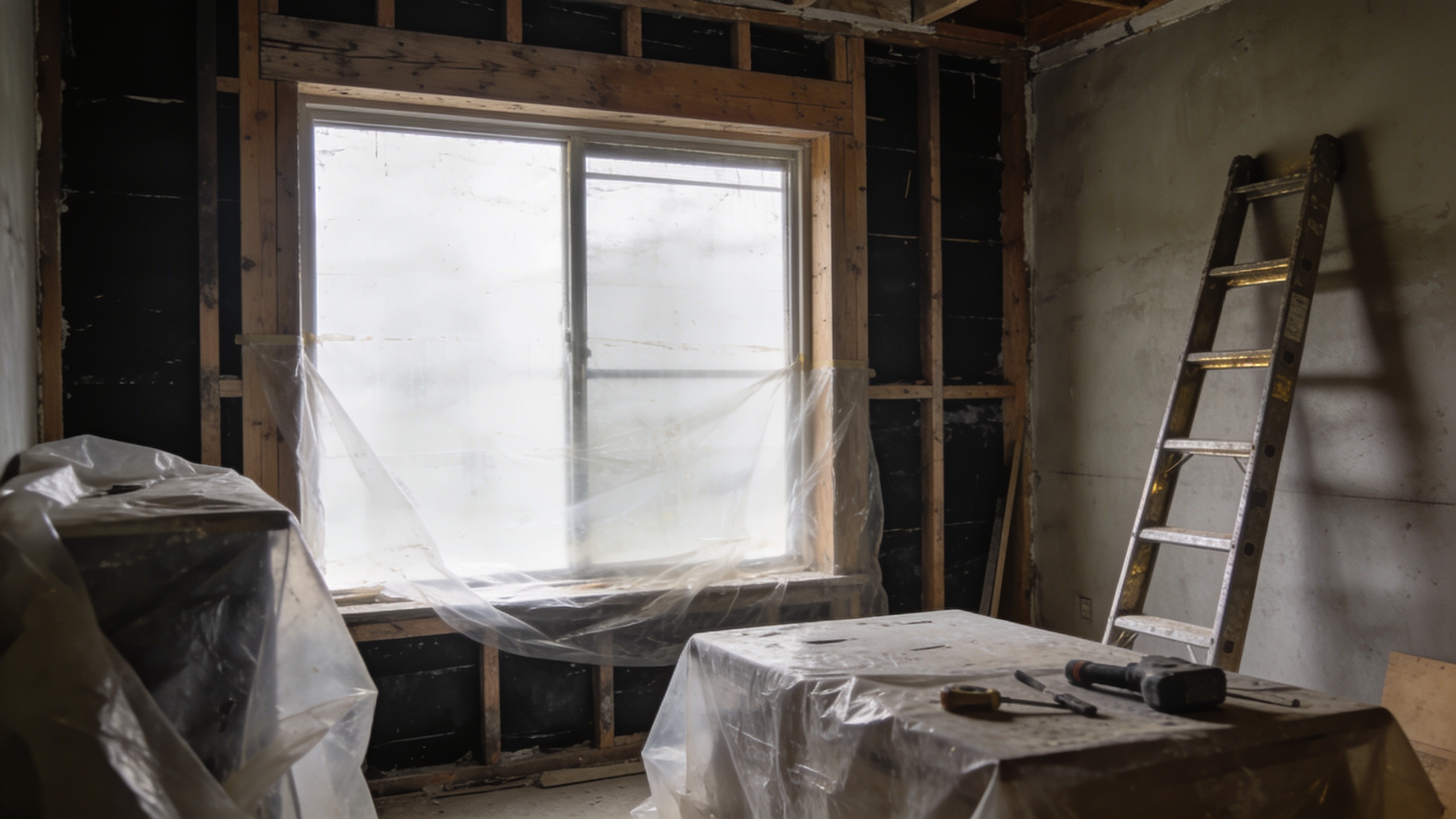
Few disputes are as personal as one over your own home. A renovation begins with optimism and ends, too often, with defective work, a budget that has doubled, a timeline in ruins, and a builder who has gone quiet. Building disputes are stressful precisely because the battleground is where you live and the money is already spent. But they follow patterns, and the steps you take early, before frustration turns into an ultimatum, do a great deal to shape how they end. Here is how these disputes arise, and how to meet one calmly.
Where building disputes come from
Most trace back to a handful of sources: work that is defective or not to standard, delays that blow out the timeline, cost overruns and disputed variations, and a scope that was never clearly defined in the first place. That last one is the quiet culprit. A vague contract, unclear about exactly what is being built, to what standard, for what fixed price, and by when, is the soil in which most disputes grow, because it leaves both sides genuinely believing different things were agreed.
The contract decides more than you think
When a dispute lands, the building contract governs the field: the scope and specifications, how variations must be requested and approved, the payment schedule and what triggers each stage, the timeline and any allowance for delay, and the process both sides must follow before anyone escalates. Many contracts require written notice and a defined dispute procedure before formal action, and reading these terms carefully is the disciplined first move in any dispute, not just building ones.
The calm first steps that protect you
When work goes wrong, the instinct is to stop paying and start shouting. Resist both until you have your footing. Document everything, photographs of the defects, dates, and a written record of what was promised and delivered. Keep communication in writing so there is a clear trail. Get an independent expert assessment of the work rather than relying on your own untrained eye, because an expert report is worth far more than an assertion. And be careful about withholding payment or ordering the builder off site without advice, as doing so at the wrong moment can put you in breach yourself.
The avenues for resolving it
Building disputes rarely need a courtroom, and there are usually faster, cheaper paths. Many jurisdictions offer specialist building tribunals or dispute-resolution bodies, and mediation resolves a large share of these matters without a hearing. There may also be statutory warranties, insurance schemes, or licensing bodies that provide remedies specific to residential building work. Which path fits depends on the amount at stake, the nature of the defect, and where you are, another reason to take advice before you commit to a course.
The lesson for next time
The best defence against a building dispute is built long before the first hammer falls: a detailed written contract, a clearly defined scope, a payment schedule tied to real milestones, and confirmation the builder is properly licensed and insured. The same care that goes into buying the property belongs in the contract to change it. This article is general information only and is not legal advice; building law and the avenues available vary by jurisdiction, so seek advice on your specific situation before acting.